
BLOG
How to Choose the Right Thickness & Grade from Shuttering Plywood
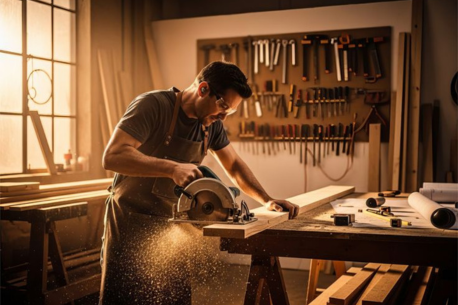
Selecting the right plywood thickness and grade is essential for strong, safe, and cost-effective formwork. Reliable shuttering plywood manufacturers follow IS:4990 standards to ensure panels meet requirements for bonding strength, water resistance, and durability. Resin quality plays a major role, with phenolic resins offering better waterproofing and longer reuse compared to cheaper adhesives. Veneer quality also impacts panel strength and the smoothness of concrete finishes.
Thickness should match project needs. Smaller residential slabs may use 12mm panels with proper support spacing, while commercial beams and columns require stronger 18–25mm panels to handle higher concrete pressure. Choosing overly thick or premium-grade plywood unnecessarily increases costs, while under-specification can lead to panel failure, concrete leakage, delays, and higher repair expenses.
Before purchasing, contractors should carefully review manufacturer specifications, including strength values, moisture content, and IS:4990 certification. Requesting physical samples helps assess edge quality, flexibility, surface smoothness, and water resistance. Proper plywood selection improves construction efficiency, protects project budgets, and ensures better concrete finishes.
Why 18mm Plywood Is the Most Used Size in Furniture
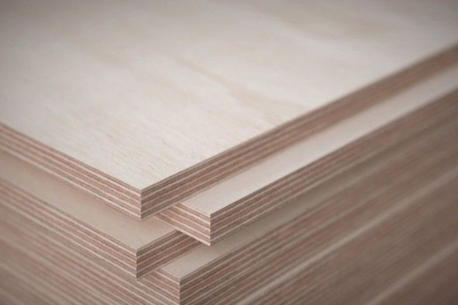
When selecting materials for furniture, the thickness of plywood plays a key role in strength, stability, and finishing. Among the options available, 18mm plywood has become the preferred choice for most cabinets, wardrobes, and storage units. Homeowners and designers consider the 18mm plywood 8×4 price while planning their projects, as it balances quality and cost effectively
18mm plywood is one of the most preferred choices for furniture manufacturing due to its strength, durability, and stability. It is widely used for wardrobes, cabinets, shelves, TV units, partitions, and storage furniture because it offers excellent load-bearing capacity while maintaining a smooth and consistent finish. MR, BWR, and BWP variants are available, each offering different levels of moisture resistance and performance for various indoor applications.
Commonly chosen for furniture projects because of their consistent thickness, borer-proof treatment, and reliable quality standards. The cross-layer construction of 18mm plywood improves structural stability, reduces warping, and keeps joints aligned over time. Its smooth surface also supports laminates, veneers, and paint finishes for a clean furniture appearance.
When selecting 18mm plywood, buyers should consider factors such as plywood grade, IS certification, thickness consistency, and moisture resistance instead of focusing only on price.
Find the Best Plywood Manufacturers for Beautiful Furniture
Marine-grade plywood is widely preferred for construction and furniture applications because of its strength, durability, and resistance to moisture. Reliable plywood manufacturers in Maharashtra produce high-quality marine plywood using advanced technology and strong BWP (Boiling Water Proof) adhesives, ensuring long-lasting performance even in harsh weather conditions. This plywood is specially designed to withstand continuous exposure to water, humidity, and temperature changes, making it ideal for marine construction projects, kitchens, bathrooms, and moisture-prone areas.
The type of plywood selected largely depends on the level of moisture exposure. Marine plywood is suitable for damp environments and areas affected by molds, while commercial or MR-grade plywood works best for indoor furniture and dry spaces. MR plywood is commonly used for cabinets, shelves, chairs, doors, and office furniture because of its strength, versatility, and cost-effectiveness.
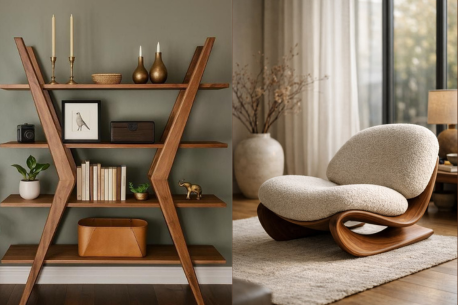
Commercial plywood also allows homeowners and interior designers to create customized furniture, decorative shelves, and storage units that are durable and stylish. Trusted manufacturers provide quality-certified products that offer value for money and long-term reliability. The plywood industry also contributes significantly to the Indian economy by generating direct and indirect employment opportunities. With growing demand for quality wooden products.

7 Benefits of Choosing a Flush Door from a Reputable Plywood Factory
Plywood flush doors have become a preferred choice in modern construction and interior design due to their durability, strength, smooth finish, and cost-effectiveness. These doors are designed to withstand moisture, heat, and daily wear, making them suitable for homes, offices, commercial spaces, and furniture applications. Their sleek and elegant appearance complements both contemporary and traditional interiors, adding a clean and sophisticated touch to any space.
One of the major advantages of flush doors is their strong plywood core, which provides excellent stability and long-lasting performance. They are resistant to warping, cracking, and bending, ensuring durability even in changing weather conditions. Flush doors are also easy to maintain, lightweight, and available in various finishes, laminates, and veneer options to suit different design preferences.
Yamunanagar is widely recognized as a leading hub for premium plywood manufacturing in India. Plywood factories in Yamunanagar are known for using advanced technology, strict quality control, and superior craftsmanship to produce reliable and high-quality flush doors. These manufacturers offer a wide range of sizes, grades, and thicknesses to meet residential and commercial requirements. Choosing flush doors from a trusted Yamunanagar manufacturer ensures better quality, durability, and long-term value for your interiors.

How can you be cheated when buying plywood?
Buying plywood without proper knowledge can lead to poor quality purchases and unnecessary expenses. Earlier, only a few trusted brands dominated the market, but with rising demand, many low-quality plywood suppliers have entered the industry. As a result, homeowners and buyers must understand different plywood types, grades, and materials before making a purchase. Unscrupulous sellers may sell commercial plywood as marine plywood at higher prices, even though commercial plywood is less durable and more prone to damage.
Plywood is manufactured using different veneer species such as Maple, Mahogany, Rubberwood, Gurjan, and Cherry. Since various grades and finishes look similar, identifying authentic quality can be difficult, especially when low-grade plywood is polished or chemically treated to resemble premium products. Some dealers also misuse discounts and promotional schemes, selling lower-grade plywood at premium prices to unaware customers.
Large plywood brands are not always a guarantee of quality, as some outsource manufacturing to other countries, which may compromise standards. Therefore, buyers should educate themselves about plywood grades, certifications, and manufacturing quality before purchasing. Understanding the basics helps prevent fraud, ensures better durability, and allows buyers to get the right plywood at the correct price.

Why Marine Grade is the Best Plywood?
Marine grade plywood is specially designed for applications exposed to moisture, humidity, and harsh weather conditions. Widely used in marine construction, boats, kitchens, and damp environments, this plywood is bonded with BWP (Boiling Water Proof) adhesive, making it highly resistant to water damage and temperature changes.
Compared to standard plywood, marine plywood is stronger, denser, and more durable. It contains fewer gaps and voids, preventing moisture penetration and increasing its lifespan. Marine plywood also has a smooth finish on all sides, reducing dust accumulation and eliminating the need for additional painting in some applications. Its high-quality veneer bonding and minimal surface knots further improve its strength and appearance.
One major difference between marine and regular plywood is the number of veneer layers. Marine plywood usually contains around nine solid layers, while standard plywood has fewer layers and more air gaps. Buyers can identify genuine marine plywood by checking certifications, examining the smooth surface, and assessing its weight and density.
Choosing high-quality marine plywood from trusted manufacturers ensures better durability, superior performance, and reliable protection against moisture-related damage in demanding environments.
Calibrated Ply vs
Non-Calibrated :
Which to Pick?
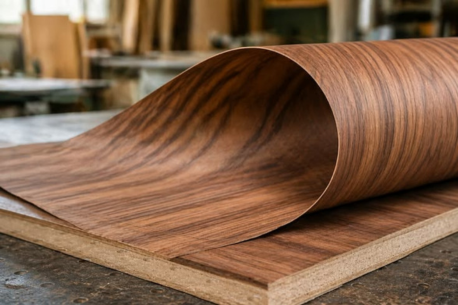
Calibrated plywood is designed to provide precise and uniform thickness across every sheet, making it ideal for furniture, modular kitchens, wardrobes, cabinets, and other projects that require accuracy. Unlike non-calibrated plywood, calibrated ply is machine-planed to ensure consistency, allowing panels to fit perfectly and reducing the need for sanding, trimming, or adjustments. This helps save time, minimize material waste, and improve the overall quality of the finished product.
Non-calibrated plywood, on the other hand, comes directly from the press without thickness correction. While it is more affordable and suitable for general construction or temporary structures, slight thickness variations can lead to uneven joints, extra labour, and increased material wastage during furniture or interior work.
The main advantage of calibrated plywood is efficiency. It reduces rework, improves finish quality, and keeps projects on schedule, making it a smart investment despite the higher upfront cost. Buyers should always check thickness tolerance, request samples, and choose plywood according to project requirements rather than focusing only on price.
Selecting the right plywood ensures smoother workflow, better durability, and higher client satisfaction. Calibrated ply offers reliability, precision, and long-term value, making it the preferred choice for quality-focused construction and interior projects.
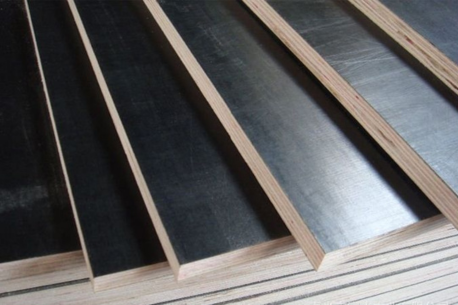
Film Faced Shuttering Plywood :
A Complete Guide
Film Faced Shuttering Plywood is a high-performance construction material designed for durability, smooth concrete finishes, and multiple reuses. Coated with a waterproof phenolic film on both sides, this plywood resists moisture, chemicals, warping, and wear, making it ideal for demanding construction environments. Compared to ordinary plywood, which lasts only a few cycles, film faced plywood can be reused 20–40 times, helping contractors reduce costs and improve project efficiency.
Widely used in residential, commercial, and infrastructure projects, it is suitable for foundations, footings, slab casting, wall shuttering, bridges, tunnels, dams, and architectural concrete elements. Its smooth, non-porous surface allows easy release from cured concrete, minimizing finishing work and ensuring high-quality results.
Film faced plywood is available in different varieties, including brown film, black film, and anti-slip plywood, each designed for specific applications. Hardwood core plywood offers greater strength and durability for heavy-duty projects, while softwood core plywood provides a more economical solution for lighter construction work.
Its moisture resistance and structural stability also make it highly effective during monsoon conditions and high-pressure concrete pours. Combining strength, reusability, and cost-effectiveness, Film Faced Shuttering Plywood is an essential choice for modern, quality-focused construction projects.

Plywood India: Strength, Durability, and Moist Resistance
Choosing the right plywood is essential for Indian homes due to diverse climate conditions ranging from coastal humidity to dry desert heat. Quality plywood manufacturers in India design products that resist moisture, warping, termites, and structural damage, ensuring furniture and interiors last longer. Selecting the wrong plywood may lead to swelling, peeling laminates, and weakened furniture, especially in moisture-prone areas like kitchens and bathrooms.
Understanding plywood grades is key to making the right choice. According to IS:303 standards, BWP (Boiling Water Proof) plywood is ideal for areas exposed to heavy moisture because it uses strong phenolic resins that resist water damage and delamination. MR (Moisture Resistant) plywood, on the other hand, is suitable for indoor spaces with limited moisture exposure such as bedrooms and living rooms.
Plywood quality depends not only on surface appearance but also on core construction and density. High-quality plywood uses hardwood veneers arranged in cross layers, providing strength, stability, and better load-bearing capacity. Dense plywood with proper bonding prevents sagging and increases durability.
Although premium plywood may cost more initially, it offers long-term savings by reducing repairs and replacement costs. Investing in certified, moisture-resistant, and termite-protected plywood ensures durable furniture, better performance, and lasting value for Indian homes.